The best food and wine day trips from Madrid do more than move you from one tasting to another. They connect regional wine with a real landscape, a relaxed local meal and a place worth exploring in its own right. Castilla-La Mancha, immediately beyond Madrid, offers vineyard country, traditional cooking, medieval villages, castles and small-group experiences that can all fit into a well-planned day.
Quick answer: Choose a specialist winery tour if your priority is cellar access, production and structured tastings. Choose a countryside food-and-wine day trip if you also want village life, nature, history and a shared local meal. Around Zorita de los Canes, regional wine belongs naturally alongside La Alcarria food traditions, the River Tagus, a hilltop castle and the nearby archaeological site of Recópolis. Always check the exact itinerary: wine served with a meal is not the same as a winery visit.
Why look beyond Madrid for food and wine?
Madrid has outstanding markets, restaurants and wine bars, but leaving the capital explains where many of the flavours come from. The city gives you choice; the countryside gives you context. Vineyards, agricultural land, village kitchens and historic routes become part of the same experience.
Castilla-La Mancha is especially important for wine and food travel. Spain’s official tourism portal describes it as the region with the most vineyards in the world and highlights the way wine experiences can be combined with local cuisine, culture and nature. The regional table includes much more than wine: Manchego cheese, olive oil, saffron, honey, vegetables, roasts and practical country recipes all reflect the landscape.
For visitors based in Madrid, the useful question is not simply “Where can I taste wine?” It is “What kind of day do I want around the tasting?” That decision separates a production-focused winery visit from a broader rural experience.
Three types of food and wine day trip from Madrid
1. A specialist winery tour
This is the clearest choice for travellers who want to understand how wine is made. A typical specialist day may include a vineyard or cellar visit, an explanation of grape varieties and production methods, and a guided tasting. Some itineraries visit more than one producer or add a paired lunch.
Look beyond the number of wines advertised. Check whether the tasting is guided, whether food is substantial or only a small pairing, how long the drive is, and whether the group size allows questions. Many wineries require advance booking, a point also made by the official Castilla-La Mancha tourism information for the Mondéjar Wine Route.
2. A countryside food, culture and nature experience
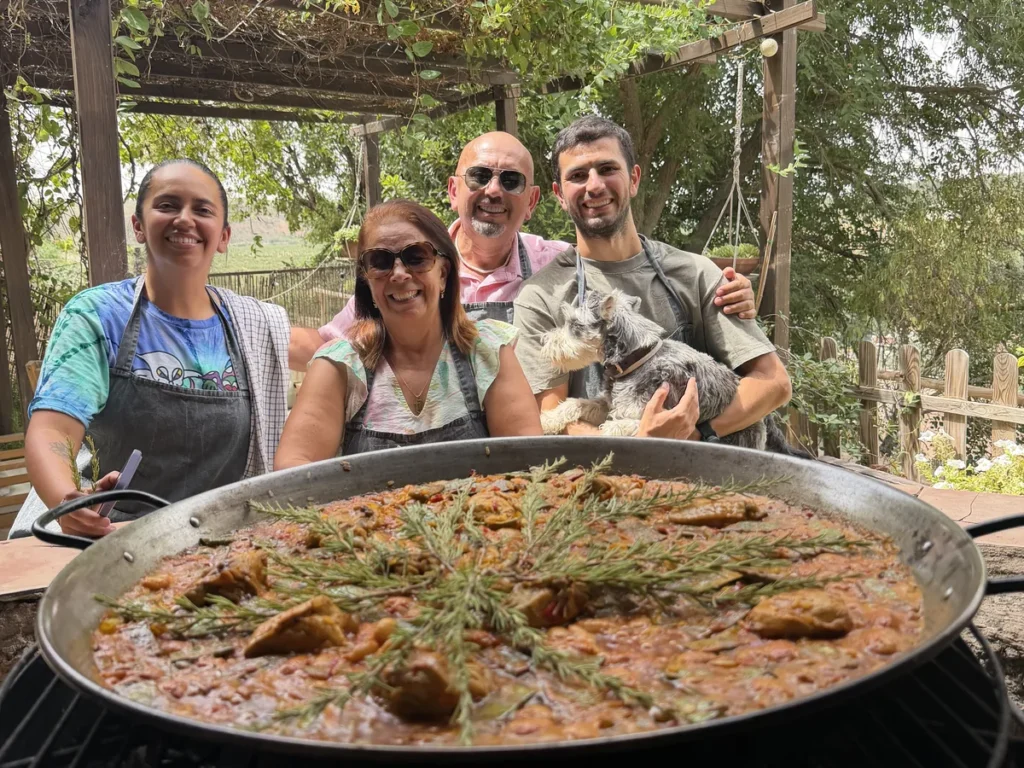
This type of day puts wine in a wider local setting. You might share regional food and wine, walk through a village, spend time by a river or visit a historic site. The pace is usually less technical and more social than a formal cellar tour.
It is a strong option for couples or groups with mixed interests. One guest can enjoy food, another history, and another the outdoors without anyone spending the whole day on an activity they did not choose. For many international visitors, it also creates more opportunities for conversation with a local host.
3. A hands-on cooking experience
A cooking day shifts the focus from observing to participating. Preparing paella, tortilla or another Spanish dish makes the meal itself the activity. It can be particularly appealing for families, friends and travellers who want a social experience rather than a formal tour.
Before booking, confirm whether transport, ingredients, drinks and the full meal are included. Also ask how dietary requirements are handled and whether children can participate. If this style suits you, explore the paella cooking experience from Madrid.
Madrid countryside winery tours: what is actually included?
A search for a Madrid countryside winery tour can lead to several very different products. Some are producer-led visits to a vineyard and cellar, some combine one winery with a restaurant lunch, and others travel through wine country while focusing on food, villages, castles or nature. The phrase alone does not confirm that guests will enter a winery.
Before booking, check whether the published itinerary names a winery, includes a cellar or vineyard visit, explains how many guided tastings are provided and states whether lunch and Madrid transport are included. If those details are missing, ask the operator rather than assuming. This is especially important for international travellers comparing a technical wine tour with a broader countryside experience.
If wine production and cellar access are your priorities, choose a specialist winery tour. If you want regional wine served as part of a local meal alongside heritage, nature and village life, a broader food-and-wine day may be the better fit.
What makes Castilla-La Mancha a wine destination?
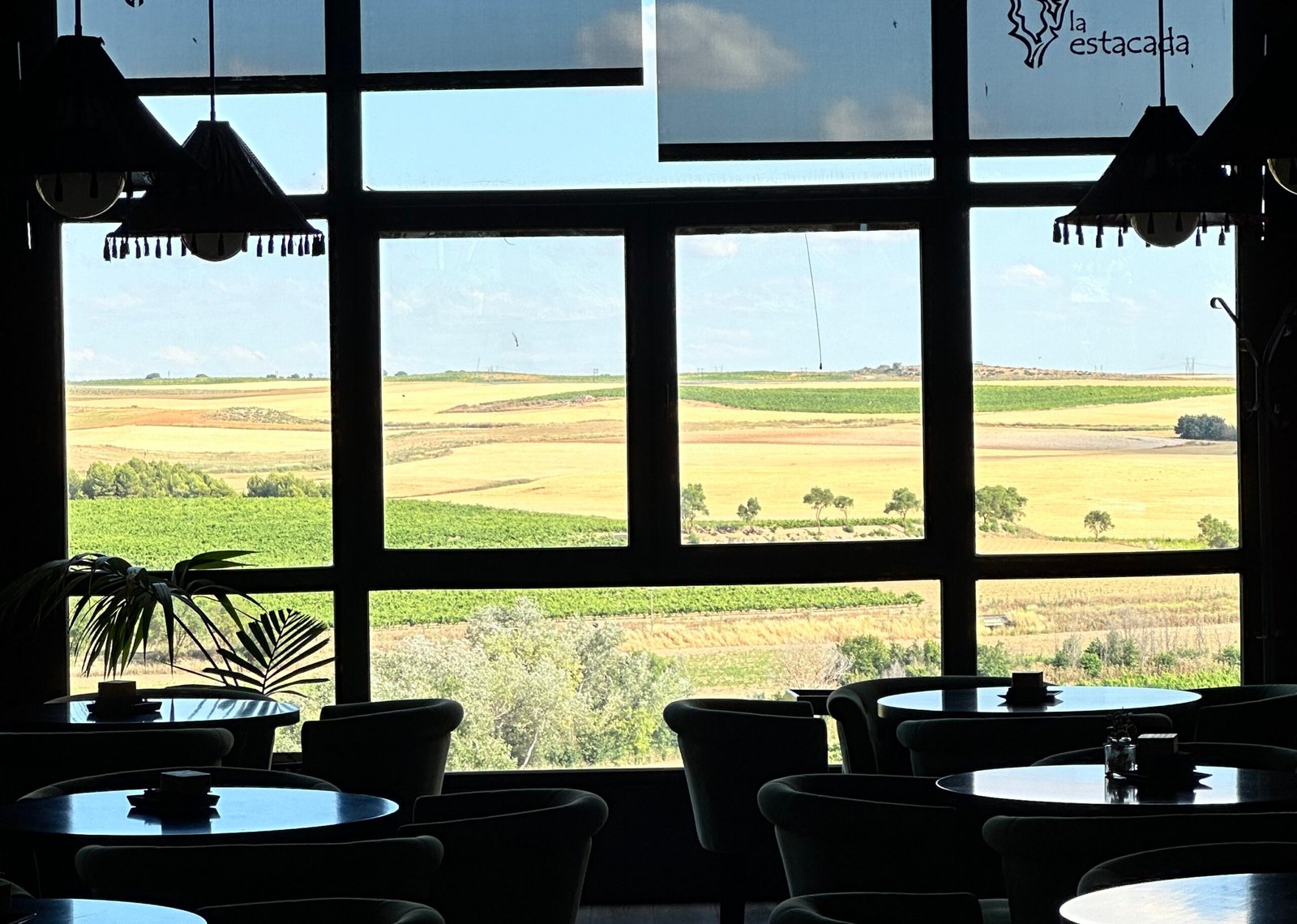
The scale of the vineyards is part of the answer, but scale alone does not create a good visit. Castilla-La Mancha contains several wine areas, landscapes and local identities. The official national tourism information describes an extensive vineyard culture alongside Manchegan food, while regional tourism routes combine wine with heritage, walking, rural accommodation and gastronomy.
That variety matters when comparing tours. A trip marketed broadly as a “La Mancha wine tour” may travel south towards the great plains and windmill country. A trip towards Guadalajara and La Alcarria can connect wine with river valleys, castles and villages closer to the northeast of the region. Both are in Castilla-La Mancha, but they are not interchangeable.
To understand the wider region before choosing, read our guide to what Castilla-La Mancha is known for.
D.O. Mondéjar, La Alcarria and Zorita de los Canes
The Denominación de Origen Mondéjar covers a group of municipalities in Guadalajara, including Zorita de los Canes and Almonacid de Zorita. The appellation’s official information traces a local wine tradition and lists red and white grape varieties used in the area. The regional tourism authority’s Mondéjar Wine Route connects vineyards and tastings with places such as Pastrana, Sacedón and Zorita.
For travellers, the attraction is the combination. Zorita de los Canes sits above the River Tagus beneath a medieval castle, with the Visigothic city of Recópolis nearby. The official Castilla-La Mancha tourism page also links the village’s home-style cooking with honey from La Alcarria and wines from D.O. Mondéjar.
This does not mean that every Zorita experience includes a winery. It means the local food culture belongs to a recognised wine area. A hosted rural day may serve regional wine with lunch and focus the rest of the programme on food, nature, village life and history. If a cellar visit is essential to you, confirm that it is explicitly included before booking.
Food, castles and countryside in one day
The strongest rural day trips avoid treating lunch as an interruption between attractions. Food, landscape and history should help explain one another. Around Zorita, a castle above the Tagus shows why the river and routes mattered; Recópolis adds a Visigothic chapter; local food and wine bring the story into the present.
For travellers searching for food and wine tours with castles near Madrid, that connected setting is often more satisfying than a rushed itinerary covering several distant towns. A single compact area also leaves time to eat without watching the clock.
If outdoor time matters as much as the meal, compare the ideas in our nature day trips from Madrid guide. It explains how rivers, villages and gentle walking can fit into a day without turning it into a demanding hike.
How to choose the right tour
Decide what “wine tour” means to you
Search results use the phrase loosely. One experience may include two winery visits; another may offer wine with lunch; another may be a food-and-culture tour through wine country. None is automatically better, but the inclusion should match your expectation.
Check the complete transport plan
Ask where pick-up happens, whether return transport is included, how much of the day is spent driving and whether the vehicle is private or shared. For rural places with limited public transport, a hosted experience with Madrid pick-up can remove a large part of the planning.
Look at group size and hosting language
A smaller group generally allows more conversation and a more flexible rhythm. International travellers should also confirm the language used throughout the day, not only on the booking page. Adventures in Unspoiled Spain experiences are hosted in English.
Confirm the meal, not just the tasting
“Food included” can mean anything from snacks to a full lunch. Check whether the menu is fixed, what drinks are included, and when allergies or dietary needs must be shared. A relaxed meal is often the part guests remember most, so it deserves the same scrutiny as the wine.
Choose depth over distance
A long list of stops can look impressive and still produce a tiring day. One village, one landscape, one meaningful historic site and one good meal often provide a clearer sense of place than a rapid circuit with hours in the vehicle.
A hosted food and nature day from Madrid
The Foodies & Nature Lovers day trip from Madrid is designed for travellers who want a broader rural experience rather than a technical winery tour. It combines private return transport from central Madrid with the countryside around Zorita de los Canes, local food and wine, village life, nature and history in a small-group, English-hosted setting.
It is best suited to visitors who want to leave the city, meet a local host and experience several connected sides of rural Spain at an unhurried pace. Check the experience page for the confirmed programme, live dates, current price and dietary information.
Travellers with more time can consider the three-day food, wine and wellbeing escape near Madrid, which adds accommodation, gentle wellbeing activities and more time in the countryside.
Frequently asked questions
What is the best wine day trip from Madrid?
The best option depends on your priority. Choose a specialist winery tour for production and guided tastings. Choose a countryside food-and-wine experience if you also want local culture, history, nature and a relaxed meal.
Is Castilla-La Mancha good for wine tourism?
Yes. It has one of the world’s great vineyard landscapes and several wine-tourism areas. Experiences range from winery visits and tastings to food, culture and nature trips where regional wine is part of a wider programme.
Are there wine tours near Madrid with castles?
Yes. The Mondéjar Wine Route in Guadalajara connects wine country with heritage destinations including Zorita de los Canes, where a medieval castle overlooks the River Tagus and Recópolis lies nearby. Check each tour’s exact stops before booking.
Does the Foodies & Nature Lovers day include a winery tour?
Do not assume a winery visit is included. The experience focuses on rural landscapes, local food and wine, village life, nature and history. Check the current itinerary or ask the host if a winery visit is essential to your plans.
Can I take a food and wine day trip from Madrid without a car?
Yes. Some organised experiences include Madrid pick-up and return transport. This is especially useful for villages and rural sites that are difficult to combine by public transport.
Are food and wine tours suitable for non-drinkers?
A broader food, culture and nature experience can be suitable because wine is only one part of the day. Tell the host in advance so non-alcoholic options and expectations can be confirmed.
Can dietary requirements be accommodated?
They can often be considered when shared before the experience, subject to confirmation. Always disclose allergies, medical dietary needs and strong restrictions during booking rather than on arrival.
Which Spain travel packages focus on food and wine?
Food-led packages range from specialist winery tours and tasting itineraries to rural escapes that combine wine with local meals, castles, nature and village culture. Choose according to whether your priority is production, tasting or a broader countryside experience.
Should I choose a Madrid countryside winery tour or a broader food and wine day trip?
Choose a winery tour for vineyard, cellar and production detail. Choose a broader countryside day if you also want local food, castles, villages and nature. Check the exact itinerary because wine served with lunch is not the same as a winery visit.
Choose the experience, not only the keyword
A good food and wine day trip from Madrid should be clear about what is included and generous with the place around it. Decide whether you want a cellar, a cooking table or a broader countryside story, then choose the day that matches.
Compare the current small-group experiences beyond Madrid, review prices and booking information, or ask the local team which option best fits your dates and interests.